

The Anatomy of Silence: How Majoritarian Power Reshaped India’s Moral Compass

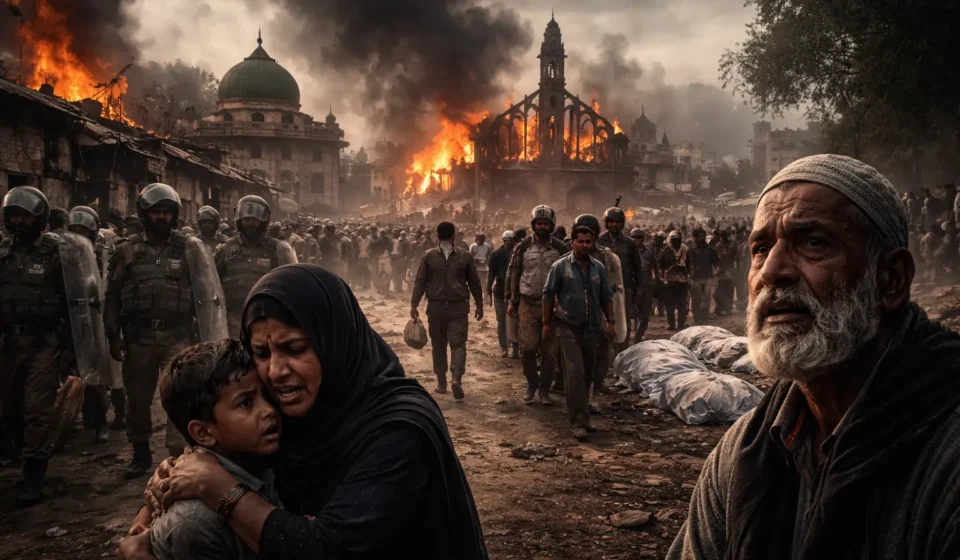
India claims itself to be the largest democracy and secular state. However, in contemporary times, silence has created its space in the democratic structure of India and secularism has been turned into dust as with burnt homes, shuttered mosques, grieving mothers, and mass graves of dignity.
Coming towards the real life situation in India about the minorities living in India, it is no longer episodic, rather it has become systemic, layered, and intensified. Today, the pattern has gained momentum to this extent that even the international observers, human rights watchdogs, and local journalism within India have begun to document India as a state with growing alarm.
This is not only about one or two incidents or against one region or one community. From the blood-soaked valleys of Kashmir to the main India’s Delhi and from the ethnic fault lines of Northeastern Manipur to the citizenship anxieties in Assam, a reoccurring pattern emerges which shrinks the space for minorities in the so called world’s largest democracy.
The Pattern of Marginalization
The marginalization towards minorities did not occur overnight. It was gradual, but, politically engineered. Examples of the imposition of Citizenship Amendment Act (CAA) and National Register of Citizens (NRC) has given rise to a legal architecture that exposes the selectively targeting of Muslim minorities in India.
From these instances, the message was totally clear that if anyone wants to live in India it comes with certain conditions and a surrender to extremism.
Coming towards Assam, nearly 1.9 million people were removed from the NRC list in 2019. Also, many of them were Muslims who raised fears of statelessness by India.
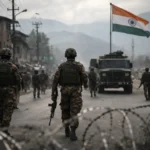
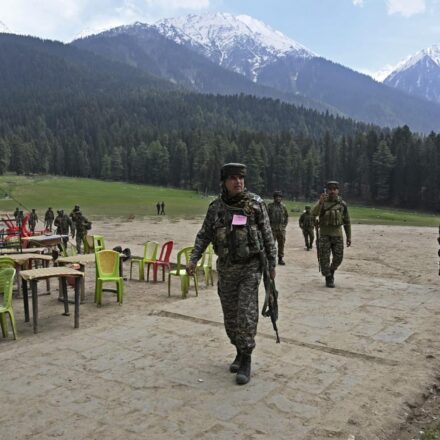
Another chapter in Kashmir, tells another story about the abrogation of Article 370 in August 2019 which changed the region of its semi-autonomous status. The concerning part is what has followed was an unprecedented lockdown communications and blackout, political detentions, and also the heavy militarization in the region.
According to many international observers, which also includes Amnesty International, these changes has been made by India intentionally to collectively punish minorities for no reason. Reports showcase arbitrary arrests, restrictions on press freedom and also to hide the use of pellet guns that blinded hundreds.
The case of Delhi 2020: India’s Capital Burned
In the year 2020, February riots in Delhi were a changing point not because communal violence just begin, but due to how openly it unfolded under the systematic watch of the state.
More than 50 people were killed, who were majorly Muslims. Not only their homes, shops, and praying places were systematically targeted but also they were snatched from the justice and right to speak
Special Investigations by Human Rights Watch exposed the long run complicity and inaction by law enforcement in India.
The people present there under all these happenings exposes how police supported the violence and intensifying the violence by becoming a part of it.
Then, authorities play a downside role in the violence they unjustly arrested Muslim activists, students, and protestors who were majorly under against the unjust laws like UAPA.
Manipur: Ethnic Cleansing drives run by state.
Manipur has revealed a worse humanitarian crisis and total collapse of India. Since May 2023, the north east India has faced the most brutal episodes of ethnic violence supported by state itself
In which more than 250 people have been killed, and about 60,000 people have displaced majorly from the minority Christians Kuki-Zo community.
What’s worse is the entire villages were set on fire and churches were reduced to ashes. What happened with Women was horrific they were paraded naked and assaulted in scenes against which world has raised their voice. For instance Amnesty international has also raised their voice against it. However, till now justice has not been served.
Kashmir: A State fueled by corruption and injustice.
Kashmir has been known at global stage a place where institutionalized suppression has hurried the justice and human rights. Since 2019, thousands of people have been suppressed in the name of preventive laws. Raids and intimidation is what Journalists have faced throughout.
Not just media suppression has been a constant issue the long run security operations have led to the loss of human lives.
Civilian casualties continue to mount as human right groups data shows that hundreds of people died during worthless security operations in Kashmir.
The Global Verdict
The world knows what is happening in India and this is the reason now India is worried regarding its Global image which is declining in world index day by day. International criticism has led India in hot water due to which Amnesty International in 2020 halted its operations in India due to Indian government involvement in harassment. They froze their bank accounts as well.
What was done by Freedom House is also important. They downgraded India from a “Free” to a “Partly Free” country, due to the attacks on minorities.
Thirdly, the United States Commission on International Religious Freedom has also many times pointed that India is now designated as a “Country of Particular Concern” because of elimination of religious freedom from India.
These are not fringe voices. They represent a broad consensus that something fundamental is shifting in India’s democratic fabric.
The Politics of Denial and the Cost of Suppression
Despite criticism from international actors and internal journalistic questions towards the accountability of those in power and the grave human rights violations, India has continued its policy of denying the facts and evidence by Human rights’ groups.
Whereas the deeper issues lie the same. Lynching incidents targeting Muslims, burning and killings of Christians, Dalits and other minority groups are intensified by state itself which cannot be ignored.
The question today is no longer why these systematic ethnic drives are running. It’s why India claims to be a secular state when there is no place for any community to live freely except Hindus.