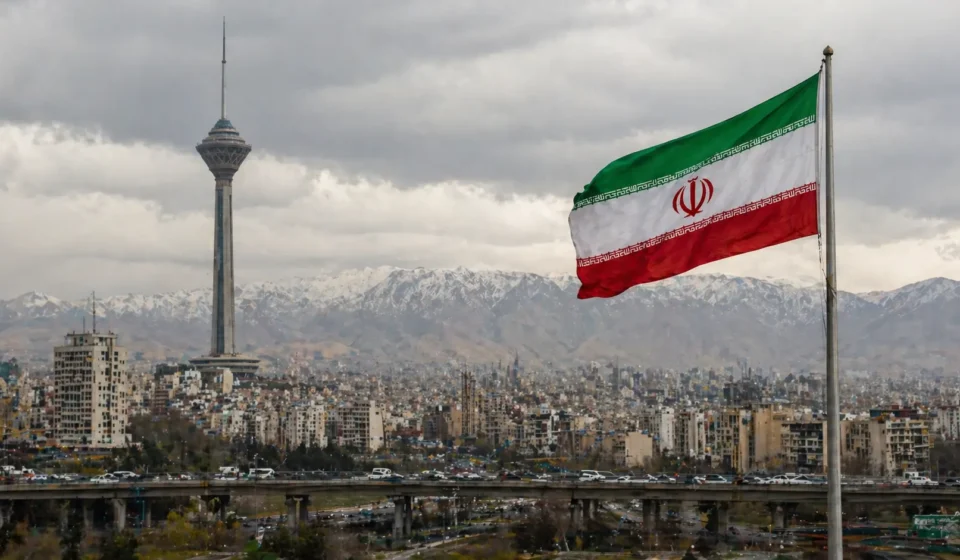

In the light of recent geopolitical events, especially the postponement of the second round of peace talks negotiations with the United States, the debate is whether Iran is divided has come up again. The dispute about the stability of Iran’s political system and public perception has been fluctuating due to competing narratives that have been produced by political actors, media outlets, and governments answers. These narratives however consistent and a close look reveals a complicated interactions and purposeful messaging rather than a distinct reality.
Delay in Peace Talks: Signal of Division of Strategy?
The pause in diplomatic engagements has been a key factor in the “fractured regime narrative. Some of experts have seen the delay of second round peace negotiations as an indication of internal conflict among Iran’s leadership especially a divide between Political leadership and IRGC. There may be differences between pragmatists and hardliners on the term of engagement with Washington. However, these interpretations frequently depend on a lack of access into Iran’s opaque decision-making mechanism which seldom makes consensus building procedures public. Divergent viewpoints surfaced, diplomatic delays are common and could be the result of tactical adjustments rather than structural conflict.
Social Media and Strategic Messaging: The role of Donal Trump
Social media posting, especially those made by President Donald Trump, have exacerbated the problem. Those posts serve as strategic message for both home and foreign audiences; they are more than just commentary. Such language may aim to improve the United States’s bargaining position while simultaneously influencing public opinion around the world by portraying Iran as weak.Media outlets and renowned Journalists and analysts also point out the divisions between Political leadership of Iran and IRGC.
Media Framing: Global Perspectives
Media Framing has been seen across the world, these narratives are either challenged or reinforced by media attention. Western media agencies have frequently highlighted economic concerns, societal discontent, and purported elite splits, all of which are themes of internal strife. Regional and alternative media outlets, on the other hand, emphasize Iran’s political structure’s tenacity and continuity while offering a more complex or opposing viewpoint. This discrepancy highlights how perception is shaped by media framing: the same event- the negotiation delay-can be presented as either a deliberate diplomatic stop or as proof of disintegration
Iran’s Official Response: Projecting Unity
Iranian officials have made a concerted effort to refute the idea of internal divided among these conflicting tales. In a recent post in X, Abbass Aragchi refuted accusations of divisions and described Iran’s diplomatic strategy as purposeful and cohesive. He portrayed the delay as a deliberate negotiation technique rather than sign of dissent, emphasizing strategic patience and national interests. In a same vein, Mohammad Bagher Ghalibaf has emphasized the value of national cohesion and reaffirmed that Iran’s political institutions are united in their defense of sovereignty and opposition to outside coercion. These reactions show that narrative control is a crucial component of geopolitical strategy since they are part of a large endeavor to influence both national and international narratives.
Public Opinion
Another level of intricacy is introduced by Iranian public opinion. It is neither easily foreseeable nor homogeneous. On the one hand, some people especially those who are struggling financially may see diplomatic hold-ups as a sign of poor administration or lost chances to provide aid. This viewpoint may be somewhat consistent with external accounts of internal vulnerability.
However, there is also a lot of scepticiam about the motives of the West. Many Iranians see the government’s position to be principled rather than problematic, and they see the postponement as a legitimate response pressure. Significantly, State Media and unofficial outlets, such as social media platforms where a wider range of viewpoints-from critical to supportive -can be seen, influence public conversations.
Conclusion
Iran’s political conference is currently being discussed more in terms of conflicting narrative than empirical truth. Perception of division have been exacerbated by postponements of peace negotiations and Donald Trump Social Media Post. However, by highlighting unity and strategic goal, Iranian Officials like Abbas Aragchi and Muhammad Bagher Ghalibaf have vigorously refuted this picture.Conversely, public opinion continue to be divers and contextual. Viewing the issue as a dynamic of messaging, perception, and political strategy- where narratives themselves are potent weapons in creating both domestic legitimacy and international positioning-is more beneficial than taking any one take as face value.