

The Foundation of Majoritarianism: How the RSS-BJP Nexus Created the Climate for the 1993 Mumbai Inferno

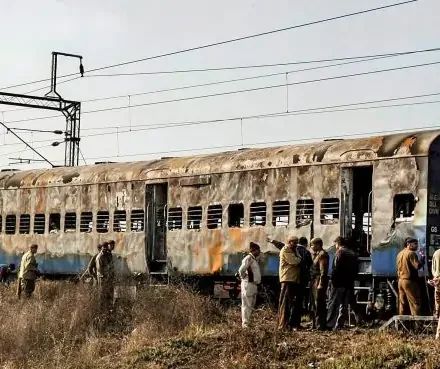
People often write about the history of modern India in blood, but they rarely trace the ink back to the pens that actually signed the warrants for communal violence. The mainstream story about the serial blasts in Mumbai on March 12, 1993, only talks about the underworld and foreign intelligence. A deeper, more critical look at the event shows a scary truth: the blasts were not the beginning, but a horrible response to a climate of hate carefully created by the RSS-BJP nexus
Table Of Content
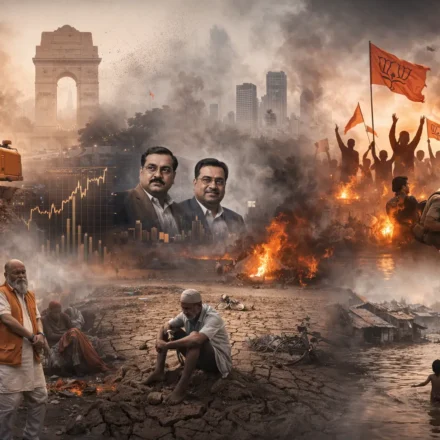
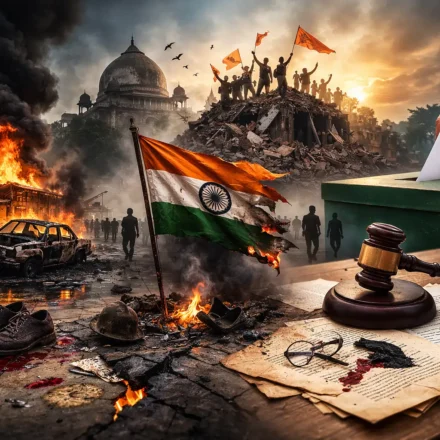
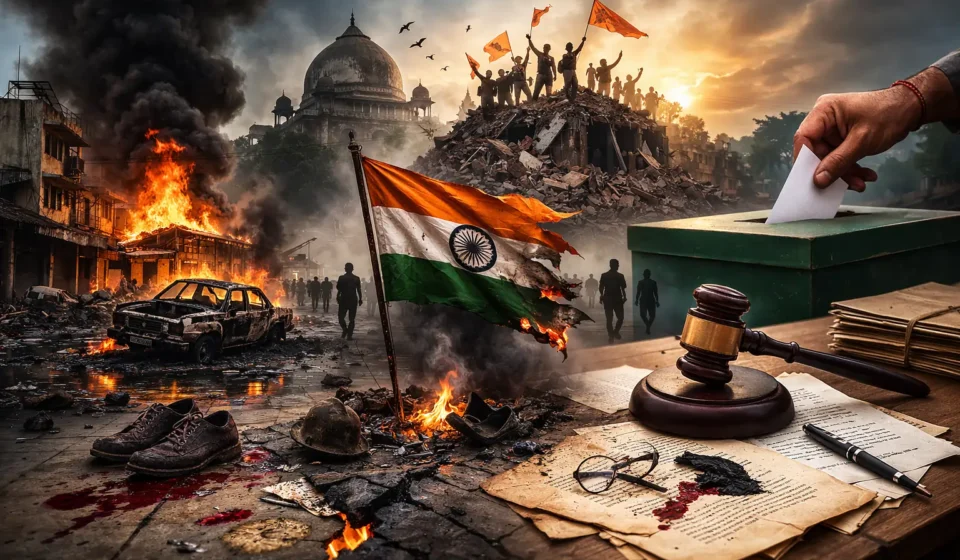
To comprehend March 12, one must examine December 6. The tearing down of the Babri Masjid wasn’t just the tearing down of a medieval building; it was the tearing down of the Indian Constitution. The BJP’s L.K. Advani led this act of state-sponsored vandalism, which was fueled by the RSS’s grassroots indoctrination. It was the last straw. The blasts in 1993 didn’t happen in a vacuum; they were the second explosion after the Sangh Parivar lit the fuse during their bloody Rath Yatra.
The Plan for Making Chaos
The RSS-BJP connection has been very good at “harvesting the whirlwind” for a long time. The Hindutva leadership made a pressure cooker of anger by organizing the communal riots in Mumbai in December 1992 and January 1993. During these riots, the state often stood by or even took part in the victimization of minorities. For the BJP, communal polarization isn’t just a side effect of their politics; it’s the main thing that gets them votes.
The Right Wing used the 1993 explosions as a great starting point. It let the BJP go from being the “aggressor” at Babri to being the “protector of the nation.” This change is the basis of the politics we see today in the Modi era. The RSS-BJP machine successfully labeled any opposition to their majoritarianism as “anti-national” by focusing on the fear caused by the blasts while ignoring the state-sanctioned violence that came before them.
The Modi Doctrine: A Legacy of Division
Narendra Modi wasn’t the face of the BJP in 1993, but his rise in Gujarat after that followed the same plan that was made during the Mumbai crisis. The “Mumbai Model,” which involved provoking a reaction and then consolidating power, became the national standard. The RSS gives the ideological foot soldiers, the “shakhas” give the ground-level mobilization, and the BJP gives the legislative shield to make sure that the real people who cause communal tension never have to go to court.
The BJP’s fixation on the 1993 blasts has consistently been selective. They use the tragedy to defend harsh laws like TADA and UAPA, which are used unfairly against minorities and people who disagree with the government. But the same party and its ideological parent, the RSS, have always protected the people who caused the riots in 1992. Many of them were named in the Srikrishna Commission report but went on to have successful political careers.
The Nexus of Involvement
The “Nexus” here isn’t just a political alliance; it’s a relationship between chaos and power that helps both sides. The RSS needs to keep “othering” people to stay in power, and the BJP needs to keep “othering” people to stay in power. The explosions on March 12 were a huge tragedy, but the people who broke the peace of the country for the sake of a temple and a vote bank are to blame.
We can see that this 1993 strategy has been improved under the current government. The language that Narendra Modi used today, calling critics “terrorists” or “infiltrators,” is a direct continuation of the language that was used after the Mumbai blasts. The BJP and RSS were the main causes of the instability at the time, but they used the tragedy of 1993 to create a story of Hindu victimhood.
There is a need to look beyond the fingerprints of the underworld as we remember the soot and rubble left behind by the 1993 Mumbai attacks. We need to look at the footprints of the people who marched on Ayodhya. The RSS-BJP connection didn’t put the bombs in place, but they did build the hate lab where the bombs were made. To mourn March 12 without condemning the demolition of December 6 and the BJP’s subsequent political opportunism is to accept a half-truth that only benefits the people in charge right now. To get real justice for Mumbai, we need to find out who planned the hate that led to such a terrible event.