
Revisiting Operation Parakram: India-Pakistan 2001-02 Military Standoff and Strategic Lessons

13th December marks 24 years since the attack on the Indian parliament when five terrorists entered the Parliament and killed 9 while injuring many, the primary target of the offensive was Indian MPs, however, they remained unharmed.
Table Of Content
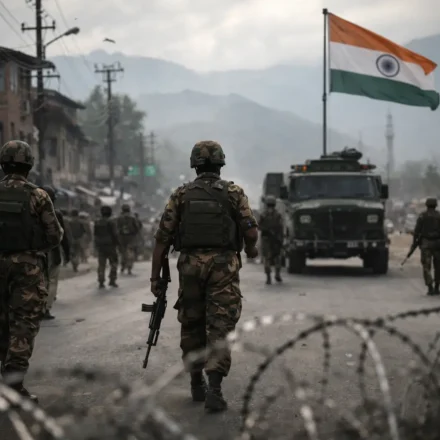
The reaction from the Vajpayee govt was phenomenal. He ordered the mobilization of its military for a war with Pakistan and launched Operation Parakram. But there was a problem.
On being asked by General Padmanabhan, Indian Army Chief, on what the government expected from the war, Vajpayee is understood to have said: ‘𝐰𝐨𝐡 𝐛𝐚𝐚𝐝 𝐦𝐞𝐢𝐧 𝐛𝐚𝐭𝐚𝐚𝐲𝐞𝐧𝐠𝐞’ (that will be told later). Such was the beginning of Operation, where neither were the political objectives for war defined, nor did the military leadership press too hard to find them.
The Military Stand-Off: 10 Months of High Tension
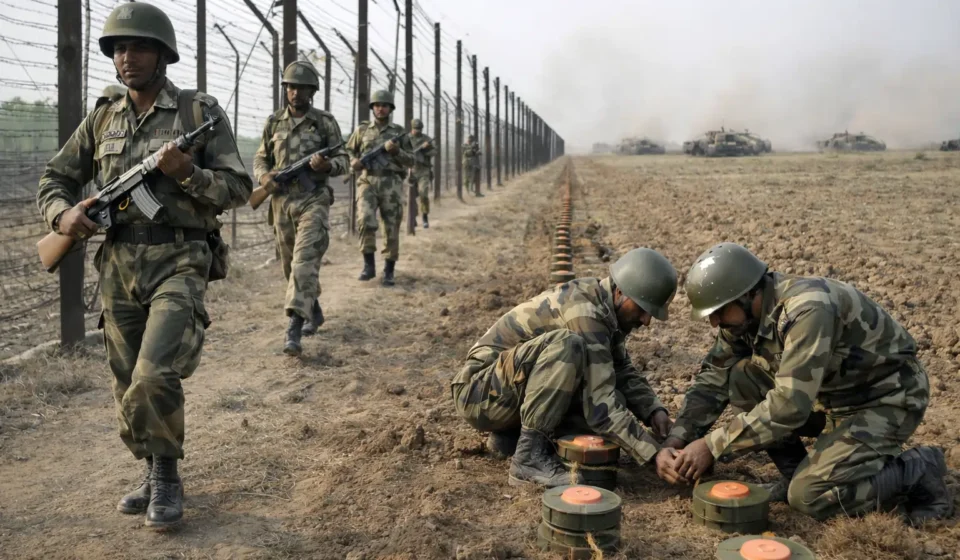
Operation Parakram was a 10 month military stand off b/w India and Pak in 2001-02 in which 𝐈𝐧𝐝𝐢𝐚 𝐥𝐨𝐬𝐭 𝐦𝐨𝐫𝐞 𝐭𝐡𝐚𝐧 𝟖𝟎𝟎 𝐬𝐨𝐥𝐝𝐢𝐞𝐫𝐬 𝐰𝐢𝐭𝐡𝐨𝐮𝐭 𝐟𝐢𝐠𝐡𝐭𝐢𝐧𝐠 𝐏𝐚𝐤𝐢𝐬𝐭𝐚𝐧 as a result of mishaps in minefields, mishandling of ammunition and explosive and traffic accidents due to ‘inexperience’ as per the Indian war veterans. About 10.5 lac mines were laid and subsequently cleared after the stand off which resulted in huge number of casualties.
This doesn’t compare favourably with the Kargil conflict when India had lost 527 soldiers in intense fighting over 50 days albeit 𝐈𝐧𝐝𝐢𝐚 𝐟𝐨𝐫𝐜𝐞𝐬 𝐡𝐚𝐝 𝐟𝐚𝐢𝐥𝐞𝐝 𝐭𝐨 𝐨𝐜𝐜𝐮𝐩𝐲 𝐦𝐨𝐬𝐭 𝐬𝐭𝐫𝐚𝐭𝐞𝐠𝐢𝐜 𝐩𝐞𝐚𝐤 ‘𝐏𝐨𝐢𝐧𝐭 𝟓𝟑𝟓𝟑’.
Economic and Strategic Costs of Operation Parakram
The cost of sustaining Operation Parakram over ten months was reported by India’s National Security Advisory Board (NSAB) at 𝐫𝐮𝐩𝐞𝐞𝐬 𝟕 𝐜𝐫𝐨𝐫𝐞 𝐚 𝐝𝐚𝐲. This works out to be 𝐑𝐮𝐩𝐞𝐞𝐬 𝟐𝟏𝟎𝟎 𝐜𝐫𝐨𝐫𝐞 (𝐚𝐛𝐨𝐮𝐭 𝐔𝐒 $𝟒𝟕𝟎 𝐦𝐢𝐥𝐥𝐢𝐨𝐧) 𝐨𝐯𝐞𝐫 𝟕 𝐦𝐨𝐧𝐭𝐡. This doesn’t include the cost of mobilization and sending the troops back to barracks. Another report estimated the total cost of mobilization at US $600 million and the cost of replacing damaged equipment at US $1.5 billion.
Pakistan’s Response and Musharraf’s Strategic Moves
Credit does to President Musharraf for escalating the forces within a few days on the eastern front because of which India lost the element of surprise. Lt Gen Ali Jan Aurakzai writes in his memoirs ‘Beyond Tora Bora’ the military was not even threatened to move the three brigades of 11 Corps from erstwhile Khyber, Kurram and Orakzai agencies towards the east. These brigades were deployed to establish blocking positions on Pak-Afghan border with an aim to apprehend the foreign fighters of Al Qaeda.For more insight into Pakistan’s political and strategic mindset during this era, see A Man Called AQ Khan: Political Divide.
Considering that Pakistan was not helping India in finding an honourable reason to demobilise forces, assistance was sought from the National Security Advisory Board (NSAB), the unofficial and lowest tier of the National Security Council.
The NSAB assembled in Delhi on October 16, 2002. The main presentation was made by the former army chief, General V. R Malik. His three main points were that the mobilisation had achieved the objectives, the element of surprise, which was of great military value, was lost and it would have a detrimental effect on the morale of the troops. Within hours of the meeting, the govt announced that Operation Parakram was over. Instead of demobilisation, the army was told to undertake a “strategic relocation”.
Lessons Learned: Cold Start Doctrine and Modern Military Reforms
To overcome the failure of Operation Parakram, Indian army adopted the Cold Start Doctrine followed by the Pro Active Operations Strategy before General Kayani nullified it by implementing the New Concept of Warfare in Pakistan Army during the Azm e Nau exercises.