

Do not let the situation in Yemen distract you from what is unfolding in Iran.
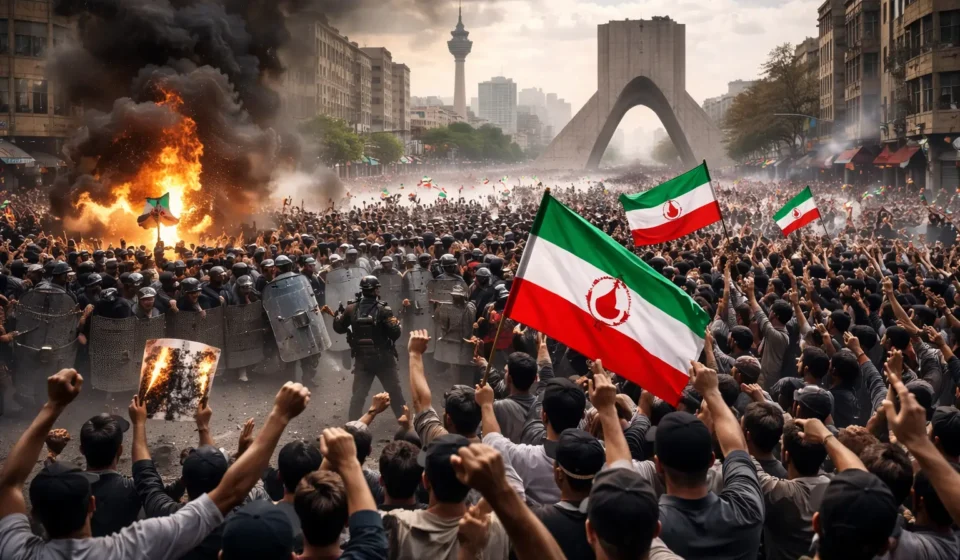
Intermittent protests across Iran have entered their third day, driven by rising living costs. Anti-Iran elements are portraying them as a precursor to a 1979 style revolution, while Iran leaning accounts dismiss them as routine disturbances. In this scenario, a dispassionate is essential.
What began as shopkeepers’ protests over rial devaluation quickly spread to several parts of Iran, including universities, and remain ongoing. Iranian civil society, unlike many of its neighbors, has a greater capacity to organize itself despite constant state scrutiny. President Pezeshkian has adopted a conciliatory tone and called for dialogue.
These developments indicate genuine unease over Iran’s economic situation. The twelve day war has further eroded the regime’s standing, particularly after Iran was visibly outmaneuvered by Israel. The government is aware of its precarious position, but within Iran’s system the president has limited control over key decisions.
Meanwhile, the supreme leader and the security establishment have shown some willingness to renegotiate with the United States, but seek eased terms and credible guarantees that remain elusive.
Instead, Netanyahu, working with Trump, is building the case for renewed aggression against Iran. Israeli action could shape the trajectory of this evolving dynamic. It could either consolidate public support behind the regime or hasten its collapse, though history suggests the former is more likely.
In any case, prolonged unrest or another Israeli strike would damage regional stability – if there remains some.