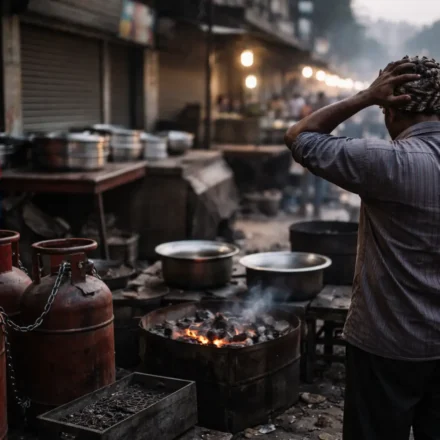
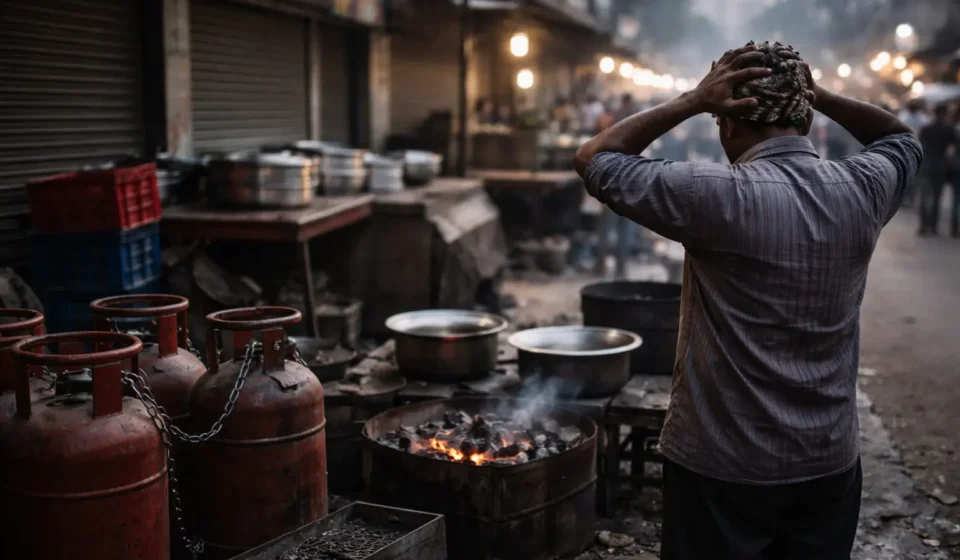

Millions of Indians awoke in March 2026 to a reality that few could have predicted in a rapidly growing economy, commercial kitchens in cities and towns are coming to a complete standstill due to the scarcity and high cost of cooking gas, a basic daily necessity. Restaurants, candy stores, Dhaba messes, and street food vendors in Lucknow, Pune, Hisar, Delhi, and Hyderabad have either temporarily closed or drastically reduced operations due to the near impossibility of obtaining commercial LPG cylinders, the 19 kg industrial-grade gas used by restaurants, through regular channels. Over 5,000 eateries, lodging facilities, and street sellers have experienced operational disruptions in Lucknow alone. As a result, many have been forced to convert to more expensive options like coal stoves or induction cooktops, which increase cooking time and expenses. Vendors caution that if the situation continues, it might permanently harm the city’s unofficial food network and raise the cost of meals in marketplaces that are often open to working people. Another indication of a disorganised supply chain is the burning of wood-fired stoves in hostel kitchens, roadside restaurants, colleges, and even catering facilities in Hisar due to government orders that have stopped commercial LPG deliveries.
This isn’t a regional issue. The whole food services industry in India is under tremendous strain due to the shortage. Delivery orders have faltered, menus have been cut, and restaurants in Pune are operating at half capacity. Due to persistent geopolitical tensions overseas, supply constraints affect nearly 100 restaurants in one area alone. Due to a lack of supplies, Delhi’s well-known food courts and even court canteens have ceased serving main meals. This has resulted in long lines at petrol stations and increased public annoyance.
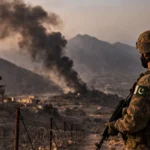
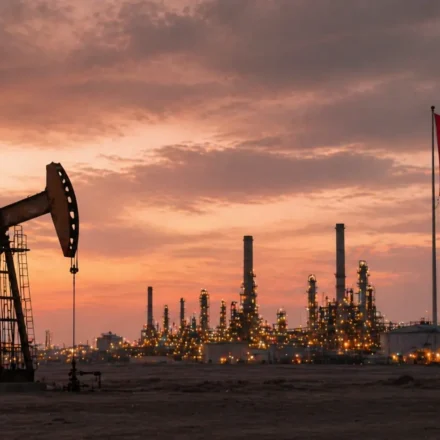
India’s excessive reliance on imported LPG is at the core of the problem. About 60–67% of India’s LPG needs are imported, and 90% of that cargo travels through the Strait of Hormuz, a tight maritime chokepoint that has recently been impacted by the rising Middle East conflict. Shipping slows, supply tighten, and prices rise when tensions around key oil sources increase, as they have in the ongoing Iran-US-Israel crisis. Due to its reliance on foreign sources and lack of a strategic buffer at home, India’s energy systems are at risk. Although consumers claim delays of two to eight days in some locations, domestic LPG, the 14.2 kg cylinders used in 33 crore households under programs like the Pradhan Mantri Ujjwala Yojana, is still available. However, since early March, the commercial supply—which operates on market pricing and has no subsidies—has virtually dried up. As a result, both costs and supplies have skyrocketed. Costs have increased significantly this year due to a series of price increases. Domestic cylinders were raised by about ₹60 in early March, while commercial cylinders have witnessed a total increase of nearly ₹302.50 in 2026 thus far. This is a double hit for already struggling firms. Black-market costs of ₹3,000–₹4,000, as opposed to the permitted ₹2,100, have become the harsh reality on the ground in cities like Hyderabad, where over 20,000 commercial cylinders are required every day to keep food outlets operating.
The consequences for the economy are enormous. Over ₹6.6 lakh crore is generated yearly by the restaurant industry alone in India, and associations caution that 75–90% of this ecosystem depends on LPG. Many firms are on the verge of permanent closure due to supply difficulties. A single day of supply disruption might cost the industry between ₹1,200 and ₹1,300 crore in lost revenue, according to analysts.
But human stories are hidden behind numbers. Small food vendors in Noida’s markets spoke about fear and desperation. One vendor hiked the price of samosas by 50% after the cost of a black-market cylinder skyrocketed to ₹2,300, while another raised the price of tea because the supply was too costly to absorb. Gig workers, such as delivery drivers, kitchen assistants, and stall assistants, claim that employment has decreased by 50–60% in several places, making it difficult for families to make ends meet. An old woman in Gurgaon quietly agreed to pay 300 per kilogram for cooking gas, a price increase that many middle-class families find unacceptable but that the impoverished find particularly upsetting. This isn’t just a price increase for people who are already struggling; it’s a catastrophe that jeopardises access to basic sustenance. Some locals express concern that household cooking could become significantly more expensive or unpredictable if shortages of commercial LPG spread to domestic fuel.
The public’s response has been strong and sentimental. Frustration is spilling over on social media, with many people calling the situation worse than a lockdown. “Corona, lockdown, demonetisation — it seems we are the ones who keep seeing all of this,” said a Noida food stall owner, drawing comparisons between the current crises and the epidemic era. There is a great deal of mistrust since many people think that government assertions that there are “no supply constraints” are far from the actual situation.
Inconsistent messaging and distributor activity, according to some locals, have made panic worse. Some LPG agents decline orders, citing purported shortages even when government pronouncements refute them. This has led to allegations of fraud and supply chain mismanagement. People are preparing alternatives, like induction stoves, because they believe the official narrative doesn’t reflect reality on the ground, according to online conversations from cities like Bengaluru.
The COVID-19 oxygen shortage in 2020–2021, when India’s health infrastructure collapsed under one of the deadliest waves of the pandemic, is unavoidably brought back to mind by the LPG issue. The demand for medical oxygen at that time surged to 5,000 tonnes per day, more than seven times the pre-pandemic average of 700 tonnes per day. With patients crying for life-saving oxygen and families pleading for cylinders, this unexpected influx put hospitals in a state of chaos that many have described as one of the most dire situations in modern public health history. Hundreds of preventable deaths were reported as a result of oxygen infrastructure and logistics becoming overburdened, despite efforts to increase production, deploy tankers, and import supplies. The present LPG shortfall seems to have forgotten or disregarded the lesson learned from that crisis, which demonstrated how vital supplies could collapse under strain when planning and surge capacity are inadequate.
These two crises, LPG in 2026 and oxygen in 2021, are related not just by the nature of the commodity but also by the systematic inability to create strategic reserves and robust, diverse supply chains. The government’s actions in both situations were reactive rather than proactive, putting crisis management and temporary rationing ahead of fundamental changes that may have avoided the collapse in the first place. Even though the 2026 LPG disruption is caused by international geopolitical tensions that are beyond India’s direct control, the magnitude of the impact exposes glaring weaknesses: there are no reliable alternate supply routes, no strategic stockpiles big enough to weather disruptions, and no quick contingency planning in place for a basic commodity that powers kitchens across the country. Although domestic manufacturing and diversification initiatives, such as agreements with non-Middle Eastern suppliers, are encouraged, they are still long-term solutions that do not ease the current situation.
This is increasingly being framed in public debate as a leadership failure. People wonder why a nation with a burgeoning economy and extensive policy framework yet falters when world events impact energy sources. Many contend that the focus of politics has switched from guaranteeing the robustness of vital services that affect daily living to political manoeuvring.
Conclusion
India’s 2026 LPG shortfall is a serious stress test of governance, readiness, and economic resilience rather than just a problem with energy supply. The issue highlights India’s continued vulnerability to global disruptions, as commercial kitchens close, food prices rise, workers lose their jobs, and households prepare for growing expenses. When compared to the COVID-19 oxygen shortage, a concerning trend becomes apparent: vital supply systems are brittle, reactionary responses are made, and regular people are left to deal with the fallout. Future global shocks will unavoidably cause even more severe social and economic divisions if this trend persists without significant structural change, such as supply route diversification, strategic reserves, domestic capacity building, and open crisis preparedness.